
-
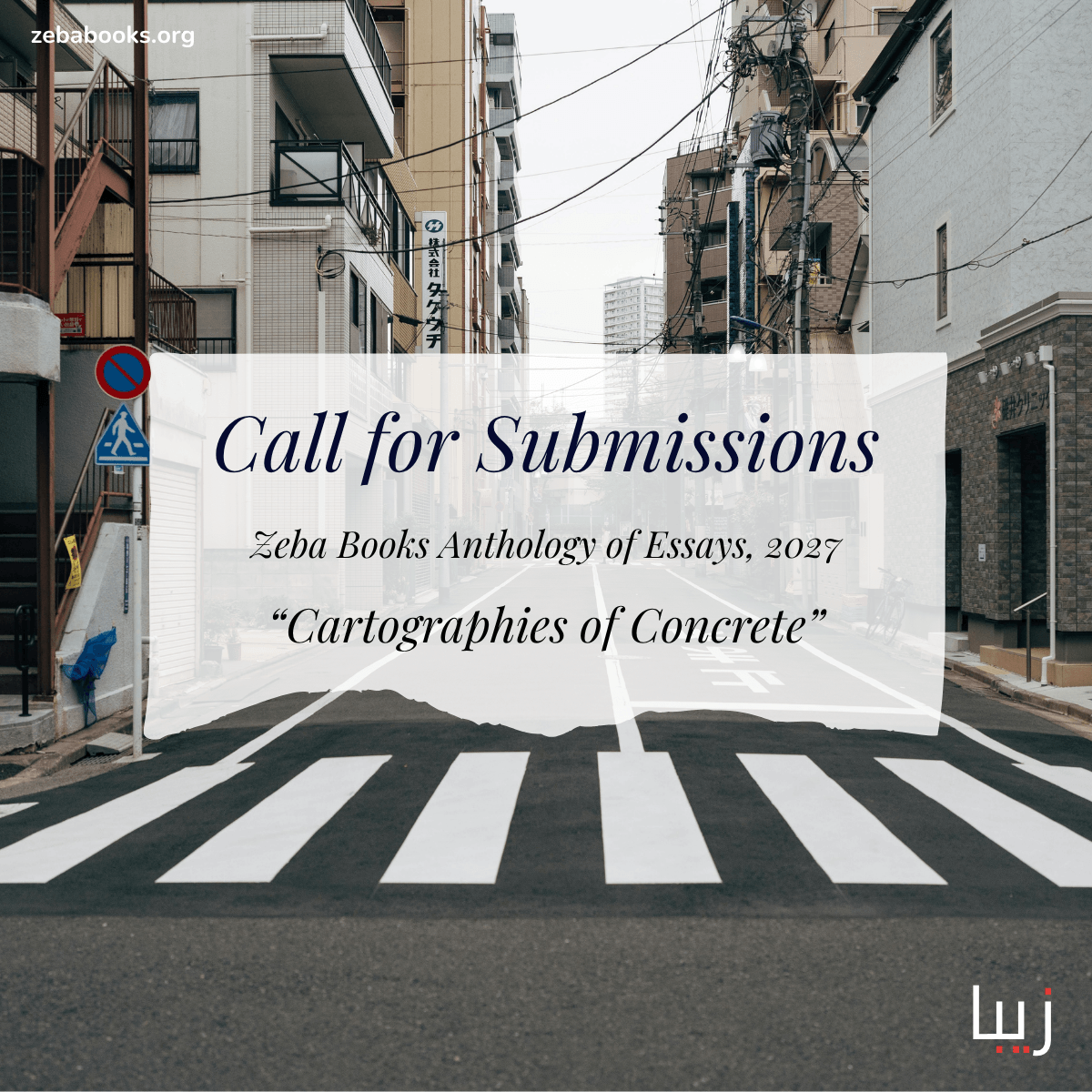
Open Call: Inviting Submissions for Our 2027 Anthology of Essays
Zeba Books invites original essays on urban life and experience for its upcoming anthology.
-

Open Call: Zeba Books Invites Submissions for its Upcoming Anthology of Poetry – The Architecture of Absence
How is it that in this hyper-connected society, when we are constantly “located” via GPS and…
-
From Battlefield to Bargaining Table: The Legacy of the Treaty of Jaffa(1192)
The Treaty of Jaffa ended the main wars of the Third Crusade, but not as a…
-

From Conquest to Endowment: Saladin’s Institutional Legacy
As the external theatre of struggle froze into the status quo, the internal fiscal realities of…
-

Between Battle and Peace: Saladin’s Negotiations with Richard the Lionheart
The shift from the violent immobility of the trenches to the controlled manipulation of time meant…
-
The Siege of Acre and the Limits of Medieval Warfare
The shift from indirect coercion to direct structural collision meant that the Siege of Acre saw…
-

The Shadow War Between Saladin and the Nizari Ismailis
Thus, the consolidation of Ayyubid power could never be based solely on budgetary operations;it took place…
-
War by Accounting: Fiscal Governance in Saladin’s Jerusalem
As they transitioned from military custody to administrative processing, the capture of Jerusalem in 1187 marked…
-

Siegecraft and Statecraft: The Engineering of Conquest of Jerusalem (1187)
The centre of gravity shifted from moving quickly over vast plains to being orderly and alone…
-
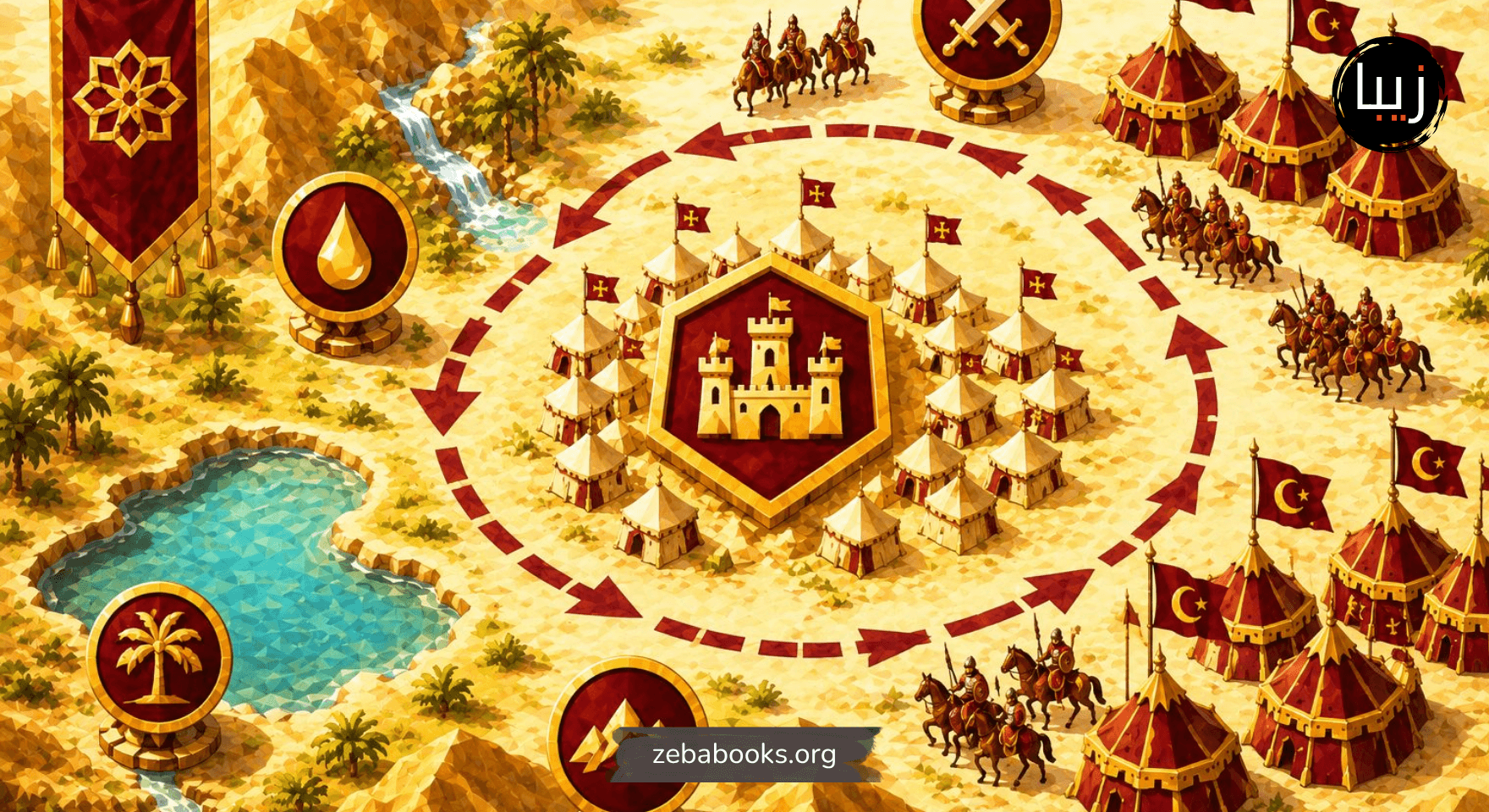
Hattin and the Engineering of Defeat: Logistics, Movement, and Military Breakdown
In contrast to the notion of a violent explosion or a courageous struggle won by a…
-
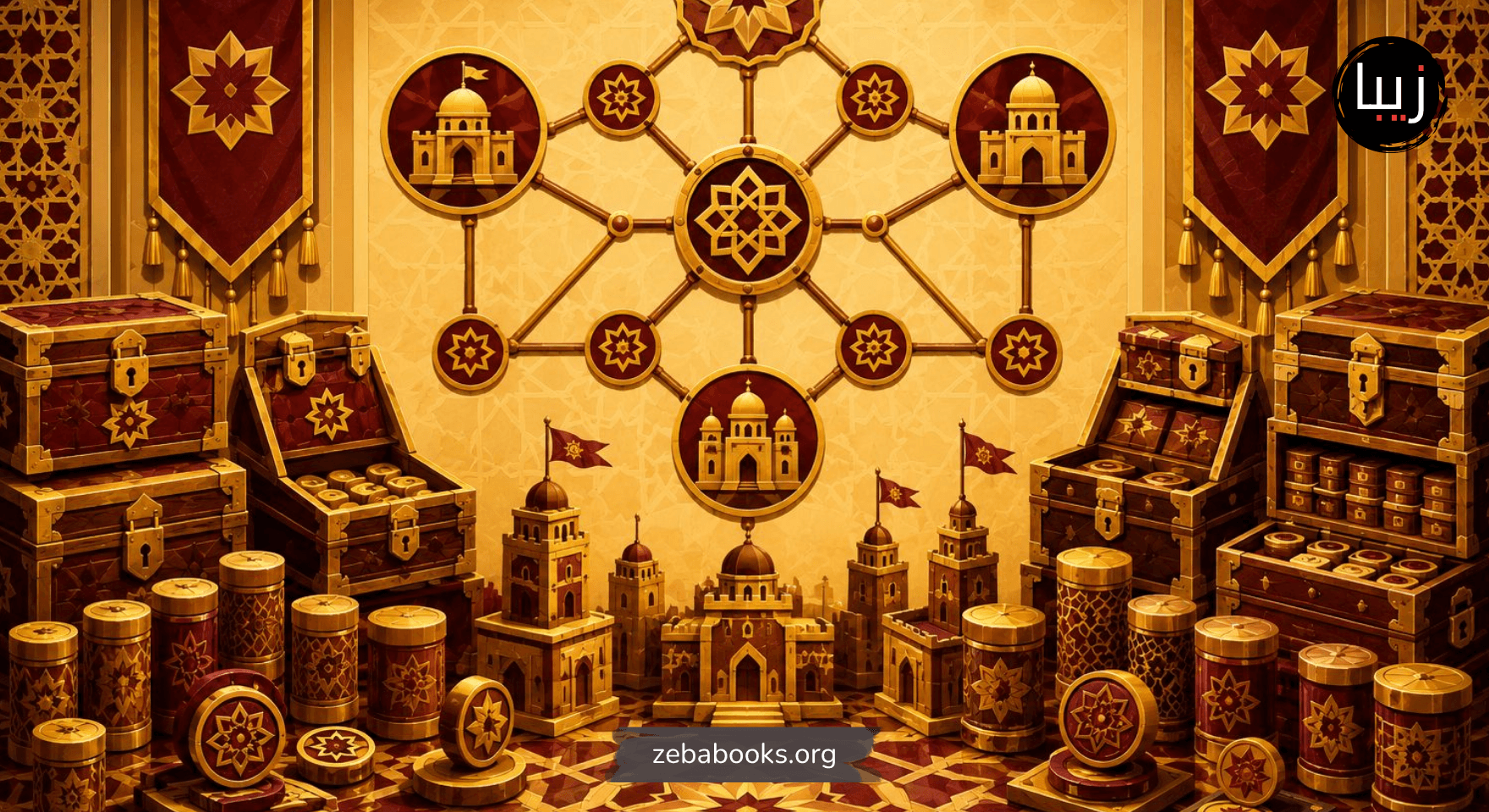
The Scribal State: Bureaucracy, Communication, and Power in the Ayyubid Empire
The Ayyubid empire relied heavily on bureaucratic cooperation and administrative communication . For Saladin, the art…
-

From Vizier to Sovereign: Saladin and the Administrative Foundations of an Empire
Born in Tikrit to a Kurdish family, Salah ad-Din Yusuf ibn Ayyub (1137-93) lived a 55-year…
-
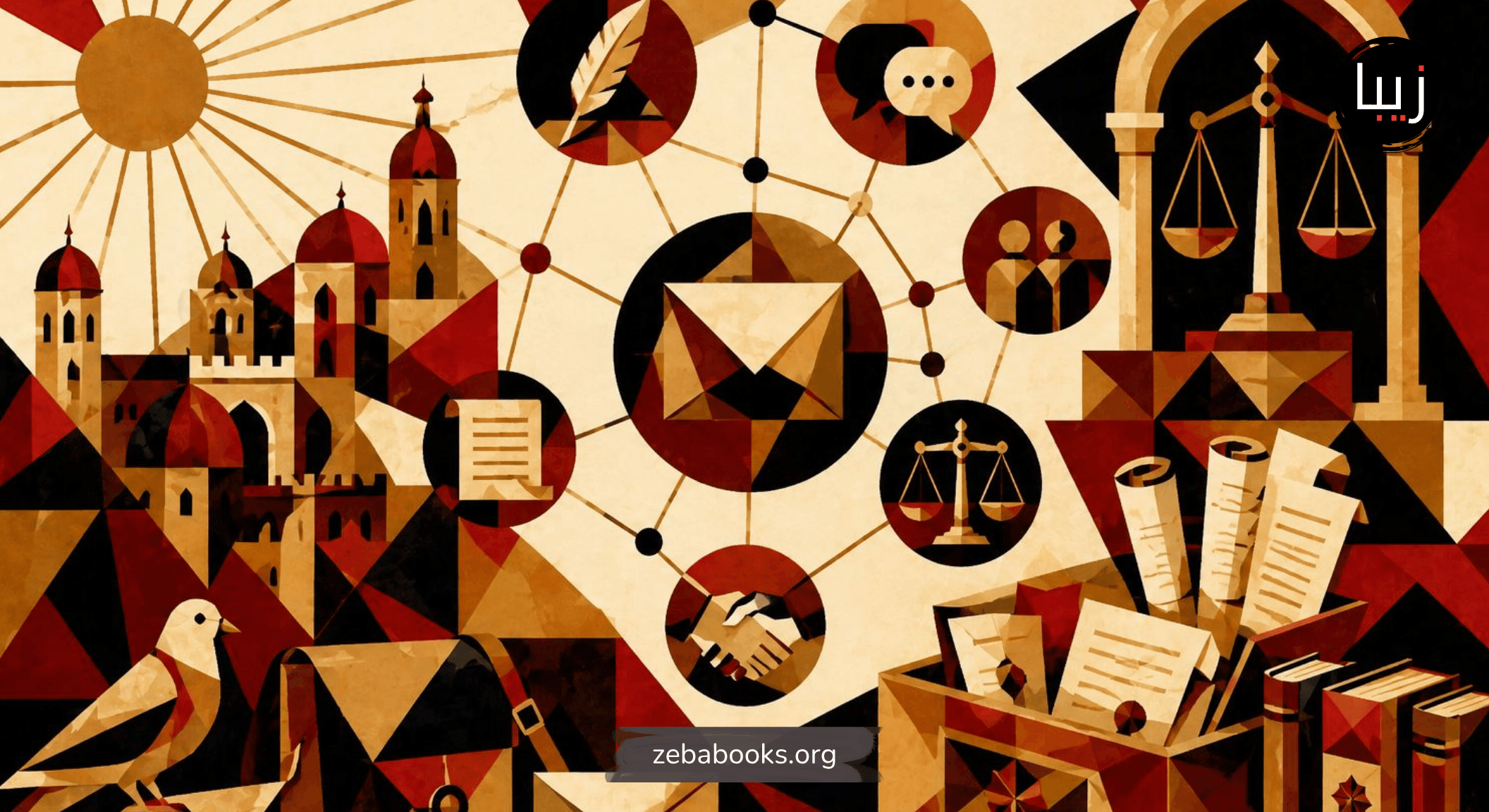
Reconstructing Socio-Economic History Through The Cairo Geniza (The Merchant Letters)
The Cairo Geniza is one of the most impressive documentary archives for reconstructing the economic and…
-

Where Stories Live
By: Muskan I walk past houses like chapterssome unfinished, some forgotten,some written in gold ink,some in…