
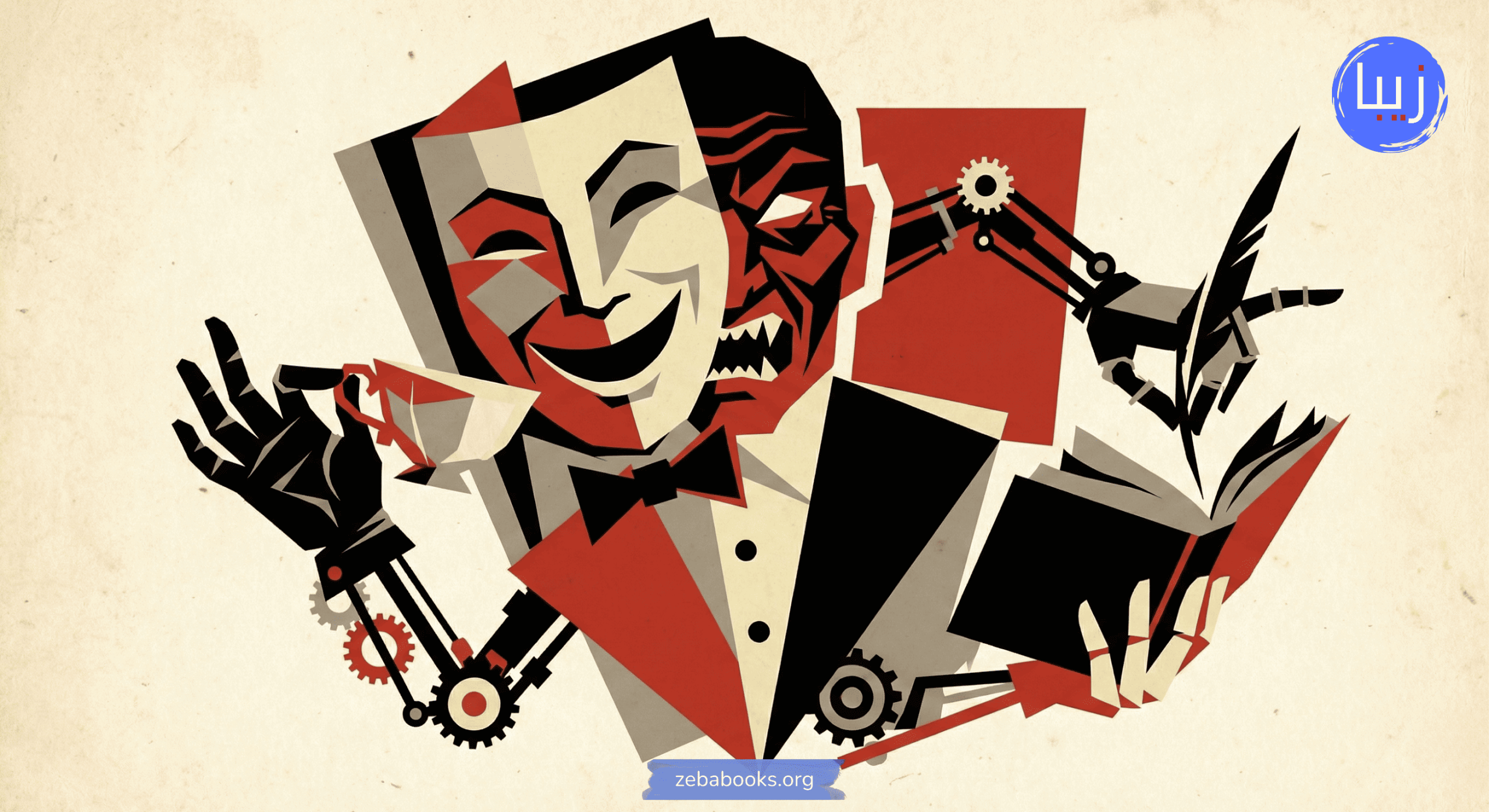
There is a certain dread in cruelty administered with calm logic, civility, and reason. Jonathan Swift’s books demonstrate that the most terrifying figures are frequently neither brutish tyrants nor terrible animals from folklore. Instead, they are individuals who communicate nicely, argue intelligently, and depict their acts as reasonable and justified. In Swift’s writing, politeness becomes a literary weapon, a technique for concealing violence and dulling the reader’s moral outrage. His work reveals that manners and civility may coexist with stunning immorality, highlighting the uncomfortable relationship between form and content.
Swift forecasts the subtle horrors of bureaucracy, ideology, and deliberate social engineering. His polite monsters don’t soften cruelty; they polish it, making it more intentional and persuasive. By analysing these characters, readers are confronted with the terrible realization that civility does not prevent cruelty but rather exacerbates it. Swift’s work encourages us to see the perils of reason without compassion.
The Polite Monster
Some creatures dread humans because of their appearance. Some people use violence to frighten others. Swift’s monsters do nothing. They are disturbed because they are composed, rational, and measured. They speak as if their actions are natural, even necessary. They persuade the readers that harshness may be courteous. Understanding this figure is crucial for understanding Swift’s unique moral viewpoint.
Not the Traditional Monster
Swift’s monsters are neither ugly nor physically deformed. They do not utilize claws, fangs, or fire to frighten. They aren’t outwardly sadistic, like the antagonists of Gothic horror. There is no scream, no bloodlust, and no desperate rage. Consider the speaker in A Modest Proposal. He meticulously calculates the economic value of infants. His tone is pleasant and rational, but his reasoning reveals a troubling moral blindness. The horror comes not from the spectacle, but from the orderliness of brutality.
The Polite Monster Defined
Swift’s polite monster is considerate, meticulous, and deliberate. Every argument is carefully developed. Every proposal is delivered with civility and obvious goodwill. In Gulliver’s Travels, the Houyhnhnms embody this quality. They speak with immaculate manners and reason, but their rejection of human passion and disregard for human life make them terrifying in their calm moral absolutism. Politeness conceals moral judgment, presenting harshness as responsibility or wisdom.
Why Politeness Disarms Resistance
Traditional monsters provoke instinctive horror. Polite creatures cause introspection. Their controlled tone encourages readers to pause, contemplate, and even empathize. Their speech’s propriety allows them to avoid quick moral outrage. In Swift’s writing, this has a chilling effect: the more courteous the speaker, the more disconcerting the cruelty. Politeness, rather than alleviating the horror, exacerbates it by portraying immorality as rational, civilized, and unavoidable.
The Rhetoric of Civility: Language as a Moral Camouflage
Swift’s creatures startle with serenity, rather than pandemonium. Their civility is a façade that conceals moral horror beneath courteous and acceptable discourse. Cruelty appears reasoned in language, whereas immoral acts appear logical. Swift demonstrates how language and tone may make the wrong appear acceptable, resulting in a disconnect between behavior and consequences.
Mastery of Plain Style and Logic
Swift writes in a calm, clear style that conceals the absurdity. In A Modest Proposal, he presents the benefits of eating children in a rational, straightforward manner. The argument is conveyed as if it were about trade data, rather than real lives. Logical sequencing heightens the tension, pushing readers step by step into an argument that is terrifying precisely because it appears reasoned. Civility in language heightens the terror by making the concept appear sensible, even acceptable.
Administrative Diction and Moral Distance
Swift frequently uses bureaucratic or formal rhetoric to divert emotional attention away from acts of cruelty. In Gulliver’s Travels, the Lilliputians argue about how to punish minor infractions using stringent procedural rules. Their decorum and formality disguise ferocity, instilling a sense of moral distance. Civility allows brutality to be camouflaged as law, order, or necessity, reducing moral resistance.
Politeness as Moral Abdication
When reason and compassion are separated, civility becomes an instrument for abdication. The courteous monster convinces himself and the audience that moral duty lies elsewhere. The Houyhnhnms’ chilly rejection of human emotion exemplifies this: reason and etiquette replace empathy, rendering the repulsive perfectly rational and courteous. Swift predicted modern institutional cruelty, in which bureaucratic rhetoric sanitizes pain, making it seem legitimate and unavoidable.
A Modest Proposal: The Gentleman Cannibal
Jonathan Swift’s most well-known polite monster is in A Modest Proposal. The narrator is not a horrible villain or a violent criminal. He is a reasonable, kind, and pragmatic person who advocates child consumption as a solution to Ireland’s poverty and congestion. The dread originates not from a physical threat, but from his calm and logical thinking.
Tone and Calm Reasoning
The proposer speaks softly. Every sentence is measured, careful, and considerate. He frames his logic as civic-minded, claiming to be for the greater good. He begins by surveying Ireland’s socioeconomic problems with statistical rigor, presenting sadness as a set of controllable figures. The calm, rational tone distances readers from the moral outrage that his proposition should inspire, resulting in a subtle and lingering unease.
Politeness as Ethical Anesthesia
Civility thus functions as a type of moral sedation. The narrator’s gentle tone masks the horrifying nature of his idea. Swift demonstrates how formal, reasoned conversation may soften an instinctive response to savagery. The calm, measured tone heightens the upsetting subject because it is delivered as if nothing is wrong.
Economic Logic Replacing Moral Judgment
The narrator considers children as commodities and estimates their future economic value. He considers expenditures, nutritional advantages, and societal incentives while systematically ignoring human emotions. Swift shows how reasoning, when separated from empathy, may rationalize horrific behavior. The essay’s strength comes from the seamless substitution of cold calculation for conscience.
Civility as the True Scandal
What horrifies is not the proposition, but the method in which it is presented. The reader is forced to confront the disturbing idea that a polite, well-meaning, and logical speaker can propagate severe depravity without malice or emotion. Swift’s uniqueness is in proving that brutality masked as civility can be more devastating than blatant violence. The gentleman cannibal is terrifying not because of what he does, but because of how rational he appears.
Gulliver’s Travels: Politeness Across Scales of Power
In Gulliver’s Travels, Swift analyzes how politeness affects ideas of power and morality. Across boundaries, civility hides evil, clarifies judgment, or heightens horror. Each society displays a unique facet of the polite monster, proving that manners need not entail morality.
Lilliput: Miniature Manners, Monumental Pettiness
Even the simplest disputes in Lilliput are handled by court etiquette. Everything, from criminal executions to political rival sanctions, is guided by rites and formalities. The Lilliputians’ flawless manners conceal subtle malice. When Gulliver is forced to break his rivals’ eggs as a sign of allegiance, the act is portrayed as a civic duty rather than violence. Polite tactics present extreme acts of hostility as normal and reasonable. Civility becomes a tool for concealing violence and intensifying the bizarre via order and ritual.
Brobdingnag: Moral Politeness versus Moral Vision
The Brobdingnagian King exemplifies politeness with moral clarity. He shows Gulliver respect by listening and enquiring patiently. Despite his civility, he offers a subtle critique of Europe, highlighting its harshness, selfishness, and corruption. In this setting, civility functions as a lens rather than a mask: politeness sharpens moral perception. The King’s courteous tone stands in stark contrast to Europe’s upheaval, illustrating that calm reason may more effectively expose injustice than wrath.
Laputa and Balnibarbi: Civilized Absurdity
Laputa and Balnibarbi are examples of civilized absurdity, where knowledge and kindness are essential for daily living. Scientists and philosophers speak with formality and refinement, but their work is disconnected from everyday human needs. Courteous speech hides ineffectiveness, demonstrating how detached civility can lead to hurt or neglect. The courteous authority in this case is absurd: manners devoid of empathy or purpose magnify the folly of rationality disconnected from people.
The Houyhnhnms: Perfect Manners, Perfect Inhumanity
The Houyhnhnms reflect pure, reasonable politeness. Their remarks are calm, calculated, and without harshness, but they exclude humans from moral consideration. Gulliver’s dread originates not from fury or violence, but from the quiet, ultimate judgment of beings who are entirely reasonable and compassionate. Their civility is disturbing because it hides exclusion and moral absolutes. Swift’s ultimate polite monsters are not angry or loud, but rather silent and inhuman.
A Tale of a Tub: Polite Madness and Learned Cruelty
Swift’s A Tale of a Tub introduces a distinct variety of the polite monster. In this instance, the terror is not manifest as physical violence or societal decay, but rather as an intellectual phenomenon. The narrator serves as an exemplar of courteous madness, a figure whose outward civility conceals a fundamentally disordered intellect.
The Courteous Lunatic
The narrator’s discourse is distinguished by precise manners and a sense of scholastic authority. He guides the reader via complicated footnotes, digressions, and moral lessons, all delivered in a calm and reasonable tone. However, beneath this facade of peace, there lurks profound instability.
His kind demeanor conceals a mind capable of intellectual malice, precisely and dispassionately mocking human folly. The nice presentation highlights the disturbing character of his intellectual violence.
Scholarly Tone as Mask
Politeness acts as a cover for intellectual hostility. In his analyses of theology, literature, and ethics, the narrator corrects, mocks, and denounces with the precision of an erudite individual. Civility allows him to criticize ideas, institutions, and people without appearing overly confrontational. The reader becomes an accomplice, fascinated by the artistic aspects even as the satire makes its point.
Politeness as Self-Indulgence and Moral Evasion
The narrator’s civility also suits his own needs. He avoids being held morally accountable by expressing his opinions with scrupulous respect. Cleverness replaces humility, and wit becomes a means of shielding himself from criticism. This courteous tone allows brutality to be seen as amusement, instruction, or cultural refinement.
Swift’s Satire of Learned Civility
Swift uses this character to highlight the hazards of intelligence without empathy. Polite behavior can conceal ignorance and brutality, making it socially acceptable to injure or dismiss others while claiming to be sophisticated. The courteous madman cautions readers that civility without a moral compass is a sort of horrific behavior.
Why Swift’s Polite Monsters Still Disturb Us
Swift’s images of polite monsters go beyond their eighteenth-century context, providing a prescient reflection on the hushed terrors of modern life, demonstrating how civility can disguise cruelty and justify damage. They continue to deliver insights that are strikingly relevant.
Prophets of Modern Cruelty
Swift anticipated the advent of systems in which civility and reason replaced empathy. Bureaucratic structures frequently hide injustice behind procedural mechanics. Technocratic approaches promote efficiency above human needs. Furthermore, moral rationalization can justify policies or behaviours that cause harm to others while offering an image of accountability and logical consistency.
Like Swift’s courteous monsters, these modern forces operate with calmness, etiquette, and a lack of overt antagonism, heightening their capacity for harm.
Politeness in Contemporary Speech
Polite monsters appear in policy statements, business communications, and seemingly “reasonable” reasons for harmful behavior. The terms “cost-benefit analysis,” “downsizing,” and “restructuring” mask true suffering. Civility distinguishes between action and its consequences, matching the narrative tactics used by Swift’s narrators. When pain is inflicted politely, it encourages acceptance, or at the very least, reduces wrath, because the speaker appears sensible and measured rather than heartless.
Outrage versus Civility
Outrage is quick and obvious; it elicits natural resistance. In comparison, civility is disarming. Swift’s portrayal of polite monsters exemplifies how prepared thinking and meticulous demeanour may make the morally wrong seem justifiable. The main danger lies not in overt cruelty, but in the subtle, courteous calculation.
Swift’s Enduring Warning
Swift’s literary efforts remind his audience that decorum does not imply ethical behaviour. Politeness can cover violence, intellectual conceit, or disinterest. Civility can refine cruelty, making it more persuasive and, hence, more dangerous. Swift’s monster characters are disconcerting because they force us to understand how human reason, when detached from emotion, may justify crimes while retaining a façade of politeness and civility that is acceptable.
Conclusion
Jonathan Swift’s representations of polite yet brutal individuals demonstrate how civility can coexist with, and even promote, violence. These characters avoid using loud voices, expressing wrath, or making threats. Their calm and controlled speech makes their cruelty all the more alarming, prompting readers to consider the hidden power of civility when it is divorced from compassion. Swift’s moral stance is unambiguous: he does not condemn reason or civility. Instead, he condemns reason without empathy and politeness without a moral compass.
The courteous monster exemplifies how intellect and civility can be used to excuse harm, changing immoral behaviour into a seemingly sensible action. The most insidious brutality in Swift’s story isn’t marked by outright hostility. Instead, it shows as calm, reasonable, and polite behaviour. Its effectiveness stems from the appearance of sensibility and inevitability, which draws both the speaker and the audience into a state of complicity. Swift’s writing retains its unnerving quality because it demonstrates how measured kindness may cover moral faults just as well as an explicit act of murder.
References
- Swift, Jonathan. A Modest Proposal.
- Swift, Jonathan. Gulliver’s Travels.
- Swift, Jonathan. A Tale of a Tub.
- Orwell, George. “Politics vs. Literature: An Examination of Gulliver’s Travels.” Polemic, 1946.
- Rawson, Claude. Jonathan Swift and the Satiric Tradition. Oxford University Press.
Liked what you read?